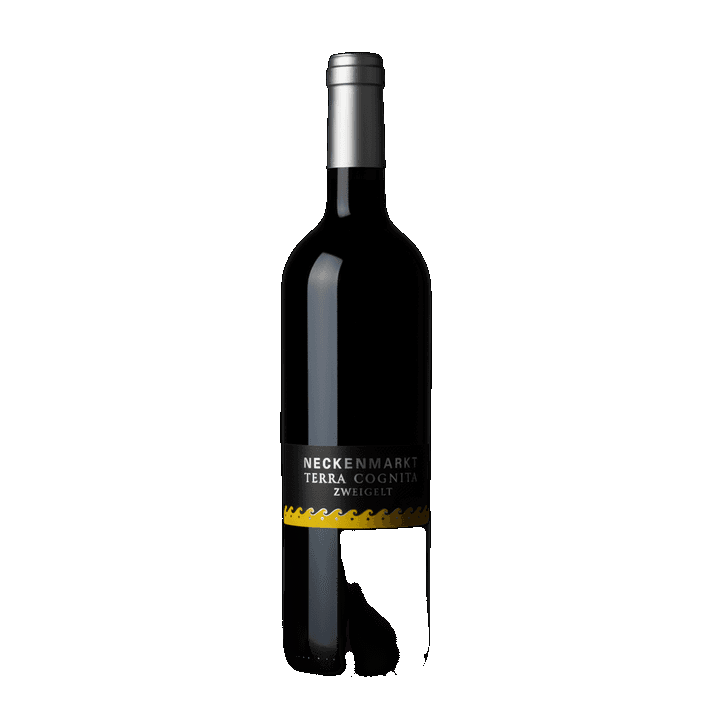
1bottle in this region

Your cellar, on mobile or the web
Get the Android or iOS app, or use VinoCellar in your browser to scan labels, track bottles, and manage your cellar.
Explore/ Österreich/ Burgenland
Burgenland
1 bottle in this region
Nestled in the easternmost reaches of Austria, Burgenland boasts a distinctive terroir shaped by the Pannonian Plain and the gentle influence of Lake Neusiedl. The warm, Pannonian climate, with its ample sunshine and long growing seasons, is tempered by the lake's moderating effect, creating ideal conditions for ripening grapes. This unique interplay of continental warmth and aquatic coolness fosters wines of remarkable ripeness and vibrant acidity, particularly suited for noble rot development. The soils vary, ranging from gravelly loam in the south to sandy and calcareous soils in the north, each contributing to the diverse spectrum of wines produced. Historically, viticulture in Burgenland traces its roots back to Roman times, with documented evidence of wine production for centuries. However, the region truly carved out its identity in the latter half of the 20th century, particularly in the wake of the 1985 wine scandal. This unfortunate event, which saw some producers adulterate wines with diethylene glycol, ultimately spurred a profound commitment to quality and transparency. In response, Burgenland embraced its strengths, focusing on indigenous grape varieties and pushing the boundaries of quality winemaking, particularly with its iconic sweet wines. Burgenland's most emblematic grape varieties are Blaufränkisch for reds and Welschriesling for whites, though Zweigelt also plays a significant role. Blaufränkisch, in particular, thrives here, producing wines of deep color, complex spice, and elegant structure. However, it is Burgenland's mastery of sweet wines, especially those affected by noble rot (Botrytis cinerea), that truly sets it apart. From the lusciously sweet Trockenbeerenauslese to the more delicate Beerenauslese, these wines are a testament to the region's favorable microclimate and meticulous winemaking. A well-known anecdote that encapsulates Burgenland's spirit is the story of the "anti-sweet wine" movement in the 1980s, where some producers intentionally under-ripened their grapes to avoid the high sugar levels associated with sweet wines, aiming for a drier style. However, this ultimately proved to be a fleeting trend as the region re-embraced and refined its historic strength in producing world-class sweet wines, demonstrating a resilience and commitment to its unique identity that continues to define Burgenland's wine legacy.
Main appellationsQualitätswein
StylesRot
Vintages2009
Bottles