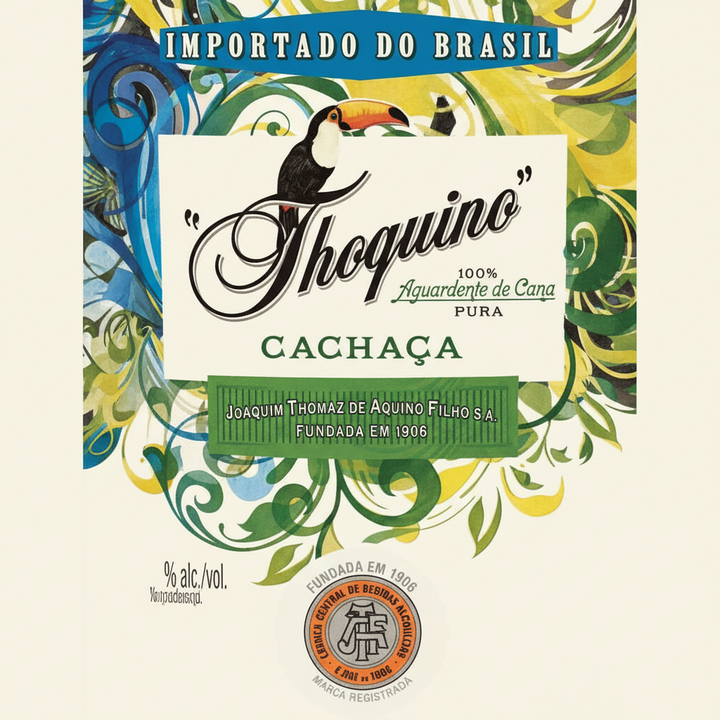
1bottle in this region
Your cellar, on mobile or the web
Get the Android or iOS app, or use VinoCellar in your browser to scan labels, track bottles, and manage your cellar.
Explore/ Brésil/ Brésil
Brésil
1 bottle in this region
Brazil, a nation celebrated for its vibrant culture and diverse landscapes, is steadily emerging as a compelling wine-producing region. Its terroir is remarkably varied, ranging from the cooler, high-altitude plateaus of the Serra Gaúcha in the south, which boast Mediterranean-like climates with distinct seasons, to the warmer, more humid sub-tropical zones further north. This geographical diversity allows for the cultivation of a surprising array of grape varietals, with São Paulo and Rio Grande do Sul leading production. While international grapes like Cabernet Sauvignon and Chardonnay are present, indigenous or well-adapted varieties are gaining traction, reflecting a growing confidence in Brazilian winemaking identity. The history of viticulture in Brazil traces its roots back to the Portuguese colonial era, with early attempts at winemaking dating to the 16th century. However, it wasn't until the late 19th and early 20th centuries, with the arrival of European immigrants, particularly Italians, that a more structured and significant wine industry began to flourish, especially in Rio Grande do Sul. These immigrants brought their viticultural knowledge and passion, laying the groundwork for the region's modern wine production. Today, Brazil stands unique for its ability to produce sparkling wines of considerable quality, thanks to the influence of the traditional method and the suitability of its cooler regions for base wine production. A well-known anecdote that highlights Brazil's burgeoning wine ambition involves the "Vinho Verde" style wines produced in the Serra Gaúcha. Often compared to Portugal's famed Vinho Verde, these Brazilian creations, typically made from white grapes like Riesling and Chardonnay, are characterized by their slight effervescence and crisp acidity. The story goes that early Brazilian winemakers, inspired by their European heritage and the desire for a refreshing, light-bodied wine, successfully adapted the winemaking techniques to suit their own unique terroir, creating a distinctive Brazilian take on a classic style that has found enthusiastic reception both domestically and internationally.
StylesIncolore
Bottles