1. Sensory memory is fragile
We often think we will remember every emotion felt while tasting a great vintage. Yet, a few weeks later, the nuances fade. Rating your wines is not an administrative task; it is a sensory anchor. By recording your impressions, you create a personal database that doesn't age, unlike our biological memory.
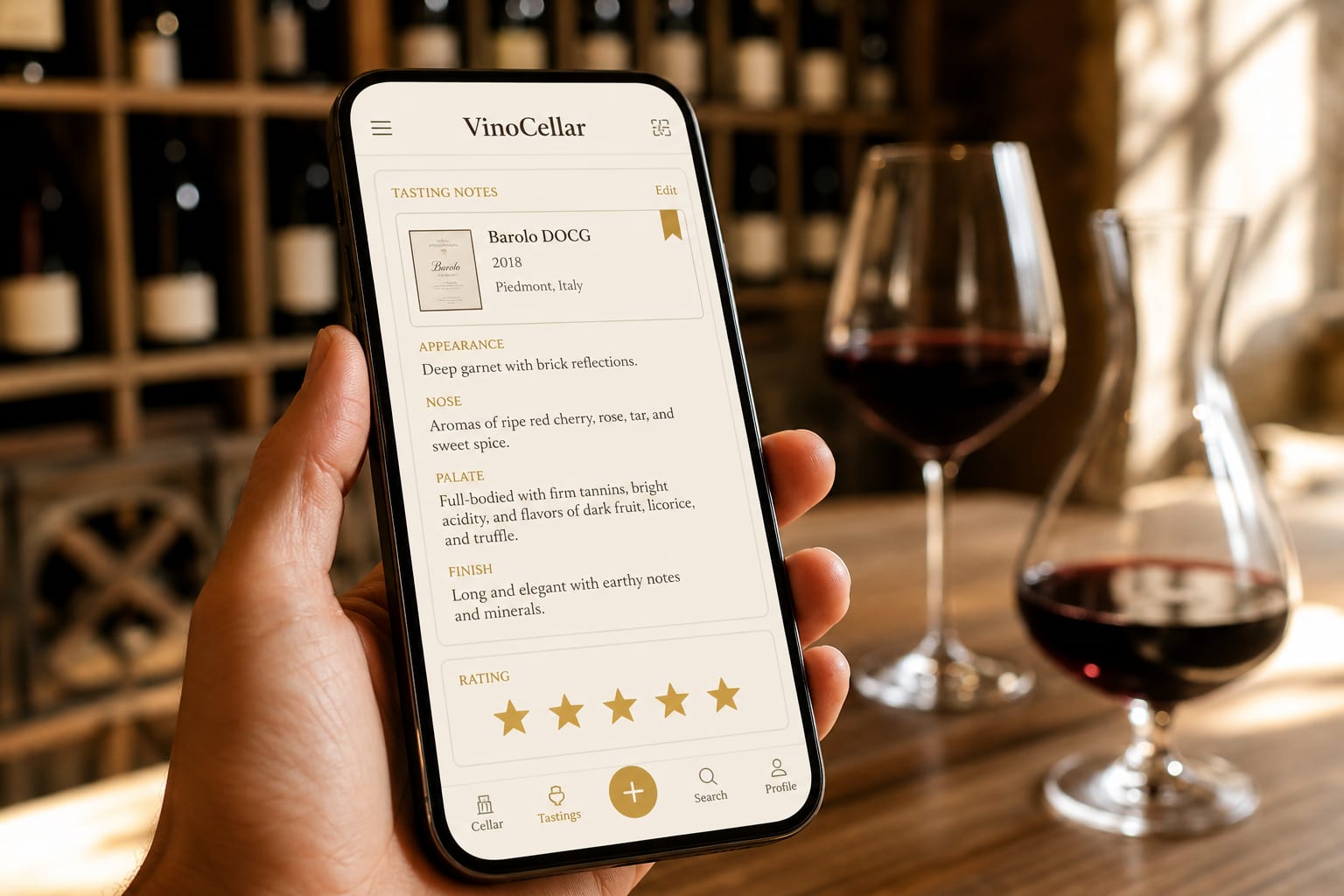
By using the VinoCellar app, you turn every opened bottle into a structured memory. It is not just the name of the wine that matters, but the context: with whom, in what frame of mind, and above all, why this particular vintage left an impression on you. By rating, you force your brain to pay closer attention with every sip.
2. The virtuous circle: rating and refining the palate
The rating process is a form of ongoing education. When you assign a score, you must justify your choice with descriptors: acidity, tannins, length, complexity. This practice forces you to put words to your sensations. You go from "I like this wine" to "I appreciate this balance between the dark fruit and the tight tannic structure." This is where progress happens.
The traps of subjectivity
It is easy to rate a wine based on the price or the reputation of the estate. The classic mistake is to let marketing influence your score. To improve, try practicing blind tasting or, at the very least, rate the wine before checking professional reviews on VinoCellar. Your own experience is the only one that counts for your future consumption.
3. Artificial intelligence at the service of your discoveries
Once your ratings have accumulated, the VinoCellar app becomes a personal advisor of formidable precision. By analyzing your past preferences, our system can identify similar aromatic profiles that you might never have dared to try. It marks the end of guesswork when shopping online or at the wine merchant.
Intuitive entry
A clean interface to rate in seconds after the tasting.

Cross-analysis
Visualize the regions and grape varieties that dominate your cellar and your tastes.
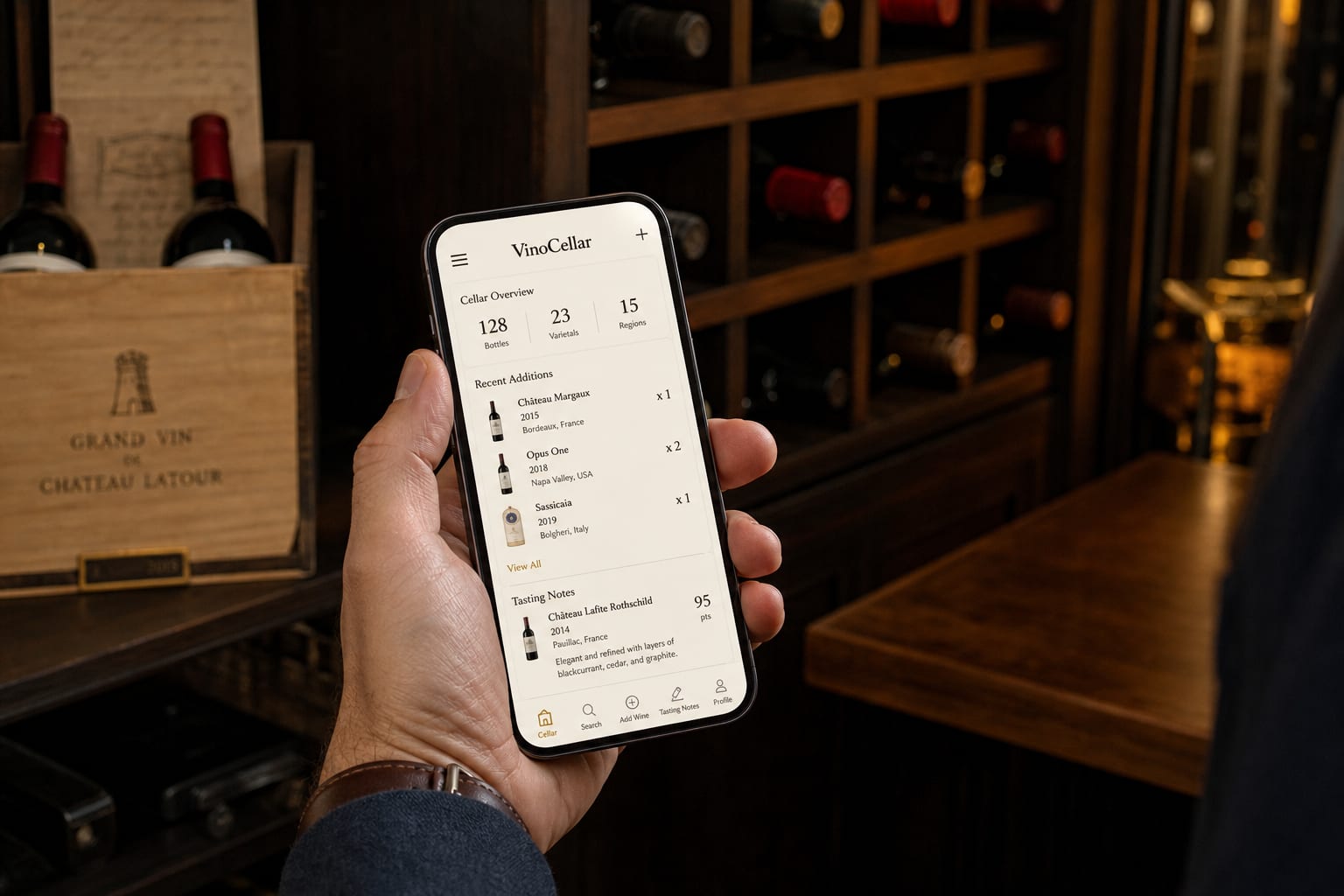
Predictions
Discover new bottles based on your past ratings.
4. A step-by-step method for effective rating
For your notes to be useful over time, consistency and method are essential. Here is the recommended procedure:
- Serving temperature: Even before tasting, note the serving temperature, as it radically influences your perception.
- Aeration: A wine decanted two hours before changes its character. Indicate the opening time in VinoCellar.
- The overall score: Assign a score out of 20 or 5 stars, but most importantly, add a quick comment on "drinkability."
- Aging potential: Evaluate whether the wine is at its peak or if it would benefit from waiting a few more years. This is crucial information for managing your stock.
5. Why share your ratings?
Wine is a social pleasure. By sharing your feedback within the VinoCellar community, you don't just help others: you compare your opinion with that of the experts. If you find a wine mediocre while the community loves it, perhaps it is a matter of serving temperature or vintage? This dialogue is what makes our shared passion so rich.



Comments (0)