1. The Symbolism and Function of the Cork
The wine cork is often perceived as a simple tool to keep the liquid inside the bottle. However, it is the ultimate guarantor of gas exchange—the tiny thread of oxygen that allows tannins to soften and tertiary aromas to develop. For a VinoCellar user, understanding the nature of this closure is crucial for deciding the ideal storage duration.
Natural cork remains the historical and aesthetic reference. Harvested from the bark of the cork oak, it possesses a unique cellular structure that allows for constant but controlled micro-oxygenation. This is the magic behind great aging wines, capable of evolving over several decades.
2. Natural Cork: The Master of Time
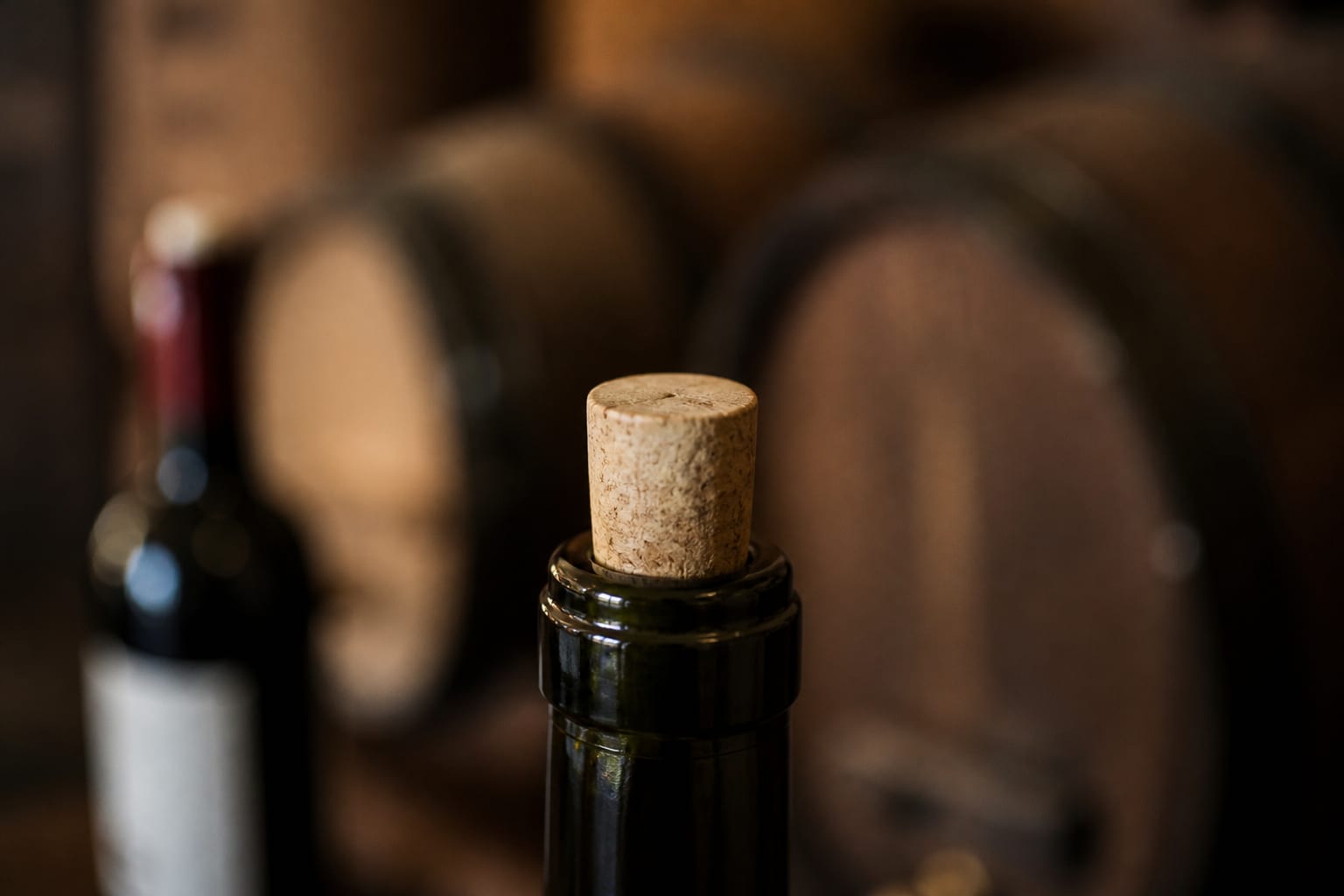
Natural cork is a living material. It is compressed upon insertion and then expands to regain its initial shape, perfectly fitting the irregularities of the bottle neck.
The Benefits of Cork
Its oxygen permeability is ideal for wines intended for long-term aging (10 years and more). It allows the wine to "breathe" imperceptibly, aiding in the polymerization of tannins and the transformation of primary aromas (fruit) into complex notes of forest floor, spices, or leather.
Associated Risks
The main challenge with cork is TCA (trichloroanisole), responsible for the infamous "cork taint." Although treatment techniques have improved, zero risk does not exist. Furthermore, poor-quality cork can dry out if the humidity level in your VinoCellar is not optimal.
3. The Screw Cap: Technological Efficiency
Often wrongly disparaged, the screw cap (or Stelvin) is a technical achievement. It offers a perfect seal, which is a blessing for certain types of wines.
For wines focused on fruit, freshness, and liveliness (dry whites, rosés, light red wines meant to be drunk quickly), the screw cap is superior. It prevents premature oxidation and ensures that the wine enjoyed today is identical to the one bottled.
4. Synthetic Corks: The Uncertain Compromise
Synthetic corks are polymers designed to imitate natural cork. While they eliminate any risk of cork taint, their behavior over the very long term is sometimes unpredictable. Some models can harden over time, losing their sealing capacity, or conversely, allow too much oxygen to pass through.
5. How to Manage Your VinoCellar According to Closures
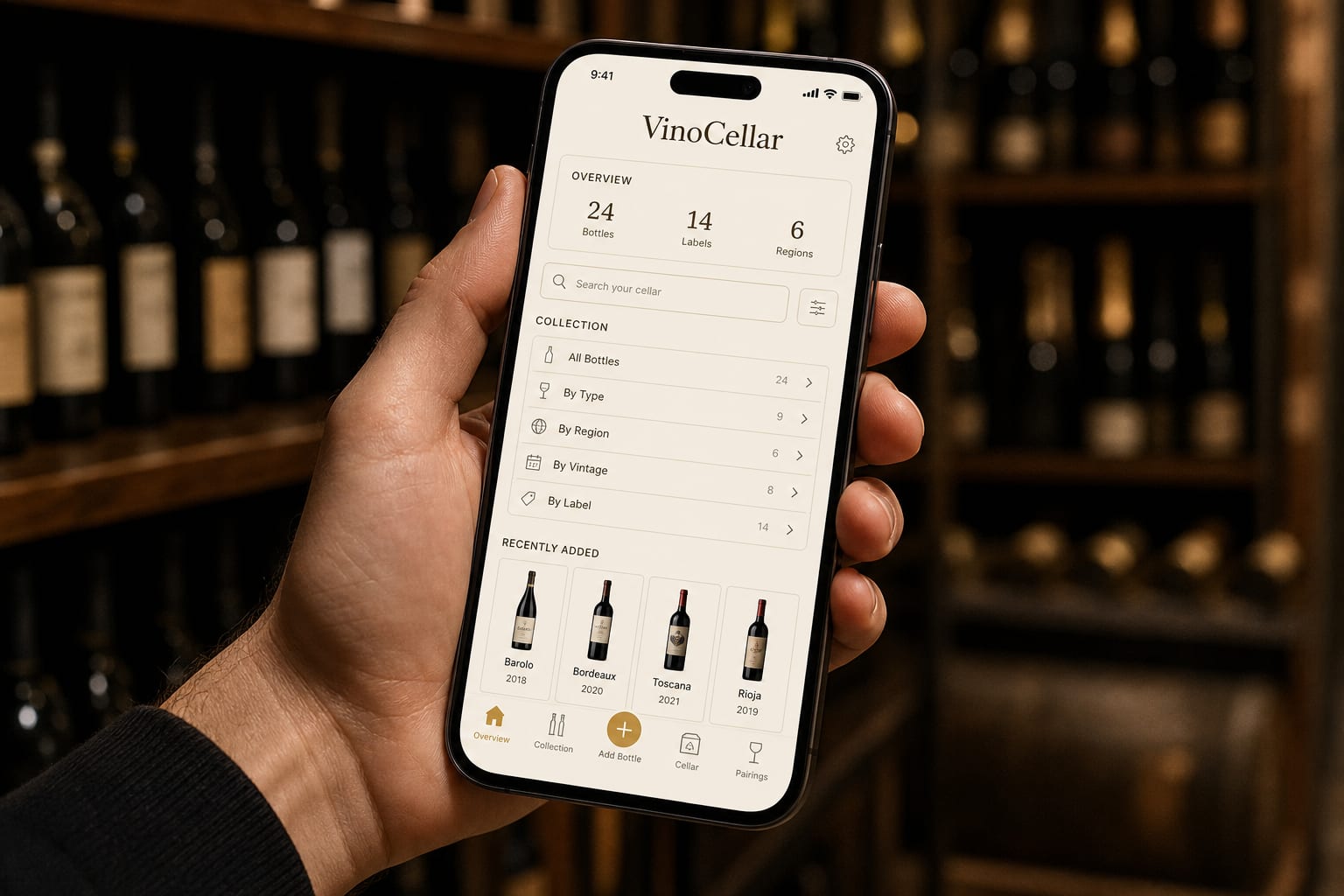
Using VinoCellar allows you to track the evolution of your bottles. Here is the golden rule for organizing your inventory:
- Wines under cork: Place in long-term storage zones. Ensure your cellar maintains stable humidity between 65% and 75% to prevent the corks from drying out.
- Wines under screw cap: Perfect for intermediate consumption. They do not fear desiccation and do not require such precise hygrometry, but they still need a stable temperature.
6. Common Mistakes to Avoid
- Cork Paranoia: Do not reject an excellent wine simply because it has a screw cap. Wine quality depends primarily on the work in the vineyard and the winery.
- Neglecting Humidity: If you store wines under cork, air that is too dry (below 50%) will cause the cork to shrink, causing premature oxidation. VinoCellar helps you monitor these critical parameters.
- Improper Orientation: Wines under cork must be laid down so that the wine soaks the bottom of the cork, keeping it airtight. Wines under screw caps can be stored upright without risk.
Cellar Audit
Use VinoCellar to note the type of closure for each bottle.
Temperature
Keep your wines under cork and screw cap at a constant temperature of 12°C.
Tracking
Consult the app to anticipate the opening of your aging wines.
In summary, the choice of closure is a technical decision made by the winemaker based on the wine's intended purpose. As an enthusiast, your role is to adapt storage conditions in your VinoCellar to let time work its magic.


Comments (0)