1. Understanding the Character of Game Meats
Game cuisine is an intense sensory experience. Unlike farmed meats, game possesses a wild aromatic palette—sometimes metallic or sanguine—and a texture that is often firmer. To succeed in your pairings, it is essential to distinguish between furred game (venison, wild boar, hare) and feathered game (pheasant, partridge, woodcock), as their requirements for tannins and structure differ radically.
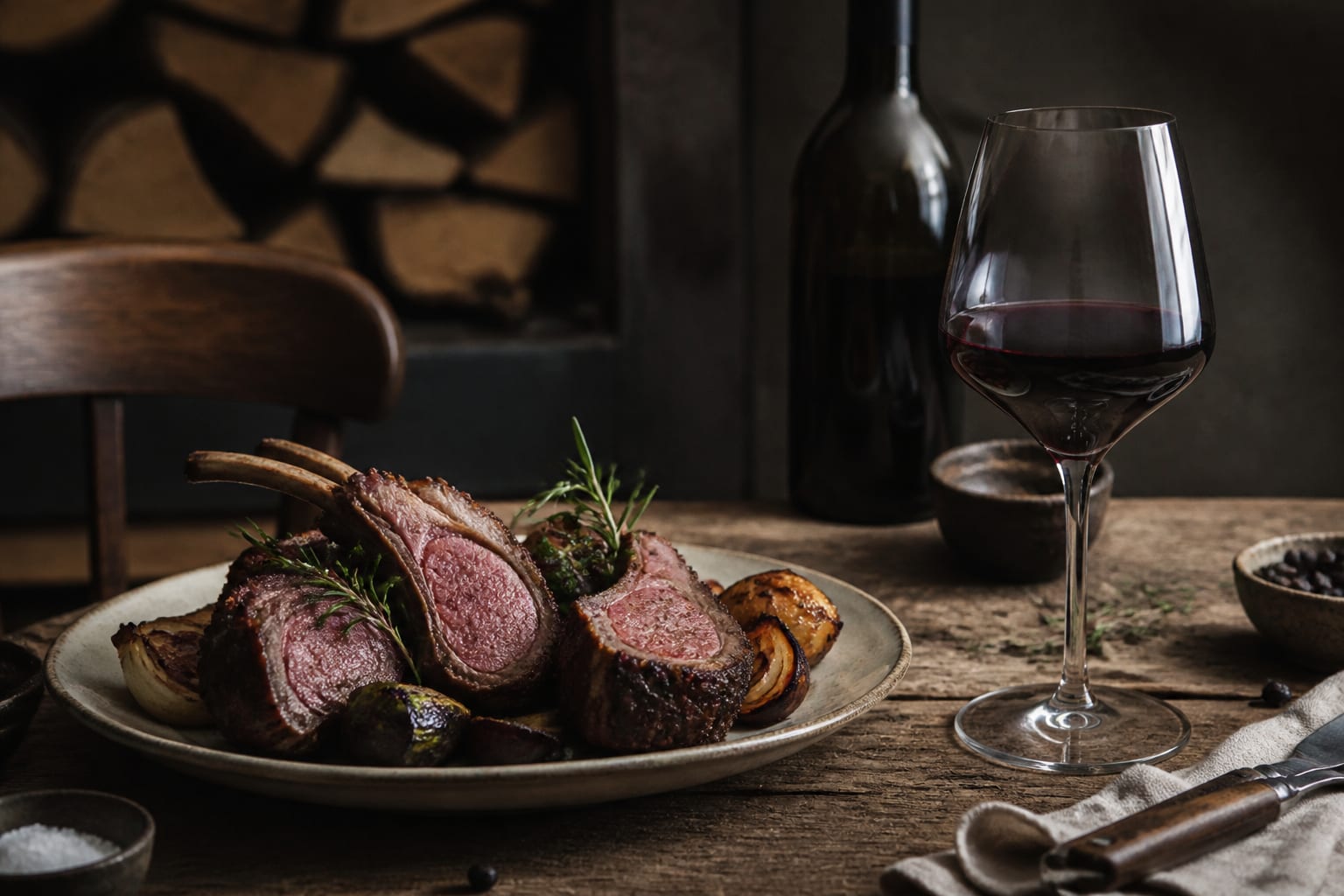
Furred game is characterized by deep red meat, rich in iron and often marbled. These meats require wines capable of competing with their intensity without overpowering them, while providing aromatic complexity to support the spices and marinades often used in cooking.
2. The Golden Rules of Game and Wine Pairing
The first principle is balance. A slowly simmered dish, such as wild boar stew, will require a wine with a firm tannic structure that has been softened by time. If the wine is too young, its astringent tannins will clash with the meat's texture. Conversely, roasted game, which is more tender and delicate, will appreciate a wine that still possesses beautiful liveliness and fresh red fruit notes.
Tannin Management
Tannins are the allies of game, but be careful with their integration. A wine aged over 10 years, stored preciously in your VinoCellar, will often be more suitable than a cuvée that is too extracted. Bottle aging allows tannins to melt, offering that silky texture that pairs wonderfully with reduced sauces.
The Importance of Spices and Marinades
Game is rarely served plain. It is often marinated in red wine with aromatics (juniper, bay leaf, cloves). These elements require choosing wines with tertiary evolution: notes of leather, forest floor, truffle, or sweet spices.
3. Pairings by Game Type: A Step-by-Step Approach
For venison or red deer, favor great wines from the Northern Rhône Valley. A Côte-Rôtie or Hermitage, with their pepper and violet notes, will enhance the finesse of these red meats.
Structured Wines
Prioritize cellar-aged wines with softened tannins.
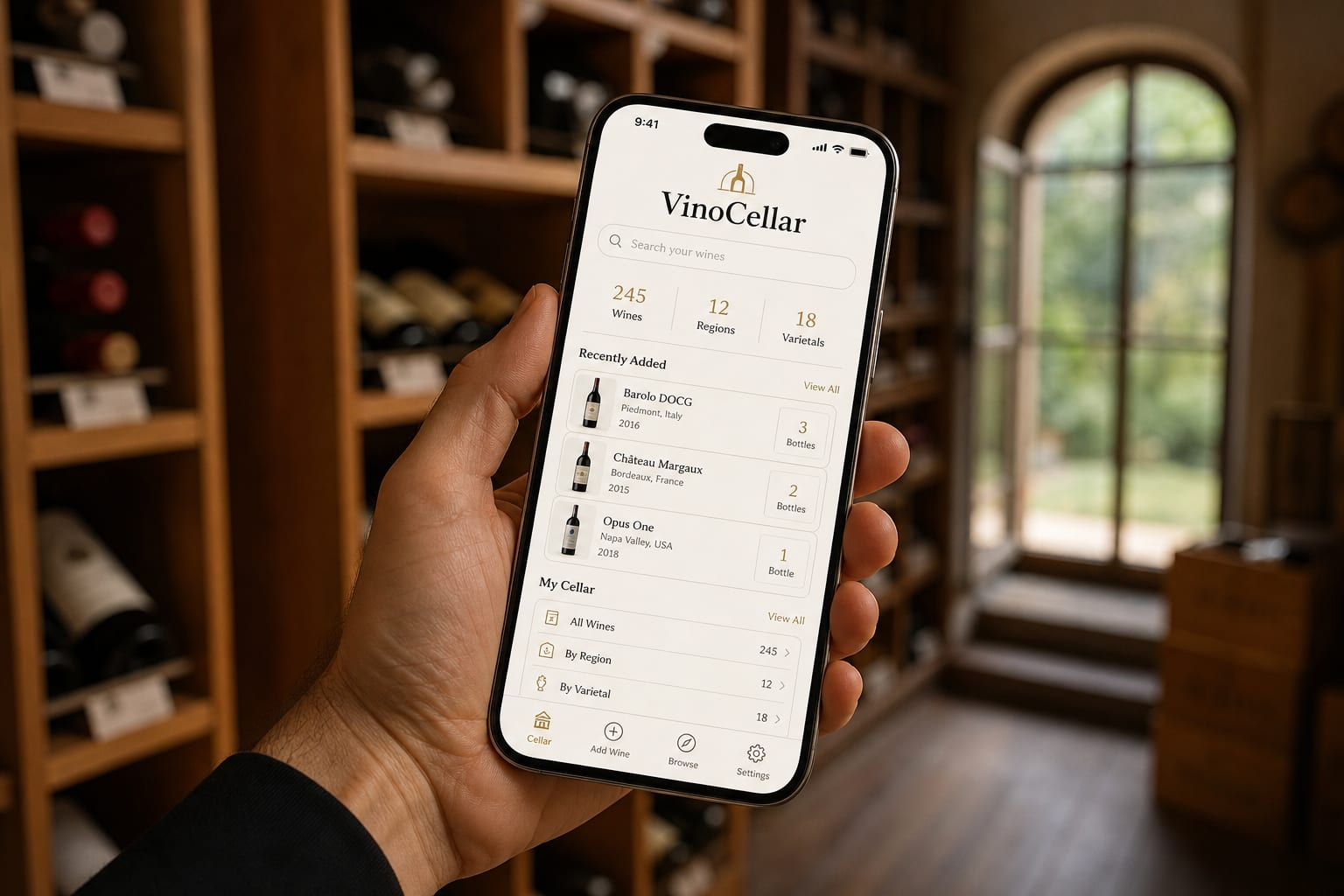
VinoCellar Application
Track the evolution of your vintages in the cellar using VinoCellar.

Expert Tips
Serving temperature is crucial for balance.
Wild Boar and Hare
These game types with very distinct aromas require wines with character. Languedoc-Roussillon wines, such as a Pic Saint-Loup or a dry Maury, offer the necessary solar intensity. For 'Lièvre à la Royale' (hare), a more complex, evolved wine like an old Right Bank Bordeaux (Pomerol or Saint-Émilion) is the ideal partner thanks to its forest floor notes.
The Subtlety of Feathered Game
Fesant or partridge requires more lightness. A Burgundy Pinot Noir, with its aromas of sour cherry and damp earth, is the king of this pairing. If the game is prepared with mushrooms, look for evolved wines presenting notes of moss and dried leaves.
4. Frequent Mistakes to Avoid
The main mistake is serving the wine too warm. With game, there is a tendency to raise the service temperature, which brings out the alcohol to the detriment of the fruit. Serve your reds between 16°C and 17°C.
Another error is serving a light white wine with a powerful stew. If you wish to serve white, lean toward macerated white wines or those with significant controlled oxidation (like Jura 'Vin Jaune'), capable of holding their own against the complexity of game.
5. Managing Your Cellar for Game Pairings
Traceability is key. In your VinoCellar app, use tags to identify wines with high aging potential and spicy notes. This will allow you, when preparing a hunting meal, to instantly visualize which bottles are ready to be enjoyed. The "virtual cellar" function allows you to anticipate the temperature preparation of the wines selected for this special dinner.


Comments (0)