Wood-fire cooking, cold smoking, or the use of wood chips to flavor dishes bring a unique gustatory complexity. However, these dominant notes of soot, burnt wood, and bitter caramel represent a major challenge for amateur sommeliers. How can you avoid overpowering the finesse of a wine with the power of charcoal? Here is a complete guide to navigating your VinoCellar with precision.
1. Understanding the impact of smoky aromas on tasting
“Smoky” taste is not a simple flavor. It is a layering of aromatic molecules (phenols) that interact directly with the wine's tannins. When you consume a very smoky dish, your taste buds become less sensitive to the subtle nuances of a wine that is too light. The danger is choosing a wine that will appear “flat” or “diluted” in comparison to the intensity of the dish.
The goal is to achieve a balance where the wine acts as a bridge. It should not fight against the smoke, but wrap around it. A wine rich in texture or endowed with sharp acidity can often succeed where a classic tannic wine will fail.
Mastering fire requires a different sensory approach. Notes of beech or oak wood require a solid structure in the wine to prevent it from being perceived as watery on the finish.
2. The golden rule: Playing with maturity and aging
For smoked cuisine, avoid wines that are too young, too lively, or marked by green acidity, which would accentuate the bitterness of the carbon. Lean towards wines that have benefited from aging in your VinoCellar to soften their tannins.
The importance of melted tannins
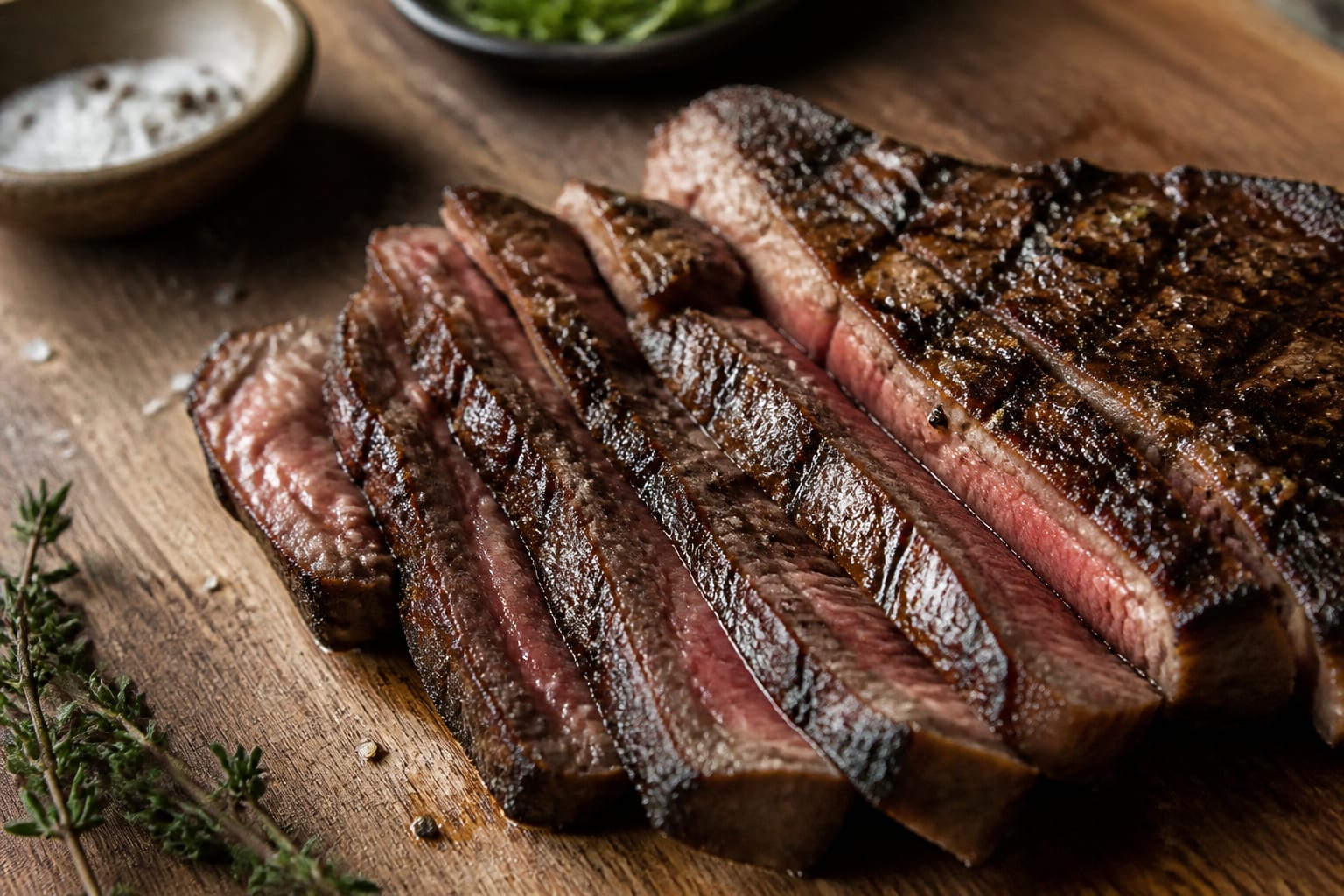
Angular tannins conflict with smoke. Look for vintages whose structure has smoothed out over time. A ten-year-old Bordeaux or a Southern Rhône (Châteauneuf-du-Pape) offering spicy notes will pair better with a piece of beef grilled over grapevine shoots than a wine from the current year.
The role of the wine’s oak
Paradoxically, aging in oak barrels can help bridge the gap with the smoke of the dish, provided that this aging is well-integrated. The vanilla and roasted notes of the barrel prolong the tasting experience without disrupting it.
3. Regional pairings: Terroir to the rescue of smoke
Certain wine regions naturally produce wines that seem to have been designed for the grill.
- Northern Rhône: Syrah, with its notes of black pepper and leather, is a natural ally for smoked meats.
- South-West: A dense and dark Malbec from Cahors has the substance necessary to support the power of a duck breast smoked over apple wood.
- Spain (Rioja Gran Reserva): Prolonged barrel aging brings a tertiary dimension that perfectly answers the “grilled” character.

Wild Syrah
A bold choice that responds to power.

VinoCellar Application
Use the app to filter your wines according to their aging potential and typicity.
4. Frequent errors to avoid
The most common mistake is wanting to serve a light white wine with smoked fish. If the dish is heavily smoked, the white will lose all its elegance. Prefer a white possessing a certain richness, like a Chardonnay aged on lees (such as Meursault or a California Grand Cru), which has the roundness to embrace the fat and smoke of the fish.
Another mistake: forgetting temperature. A red wine served too warm with a grilled dish becomes alcoholic and loses its tannic structure, making the pairing heavy and unpleasant.
5. Step-by-step method to choose your wine
- Analyze the cooking wood: Is it a delicate smoking or a high-heat wood-fire cooking?
- Identify the fat content of the dish: The fattier the meat, the more you can allow for bold tannins.
- Consult your VinoCellar: Look for wines with more than 5 years of aging to avoid the aggressiveness of young tannins.
- The finish balance: Test a bite of the dish, then a sip of the wine. If the wine “disappears” too quickly, it lacks substance. If it stays too long and dries out the throat, it is too tannic.
By following these principles, you will transform every meal at the barbecue or smoker into a mastered gastronomic experience.


Comments (0)