1. The physics of glass: more than just a matter of aesthetics
When you pull a precious bottle from your VinoCellar, you tend to focus on serving temperature and aeration. Yet, the vessel into which the wine is poured plays a decisive role. The shape, glass thickness, and rim opening directly influence how the wine comes into contact with air, but more importantly, how volatile compounds reach your olfactory system.
The glass acts as an amplifier. The shape of the bowl dictates the surface area for oxygenation and concentrates aromas toward the nose, creating a sensory experience significantly superior to a standard glass. A thin rim allows for more neutral thermal transmission, ensuring the wine remains at the ideal tasting temperature throughout the session.
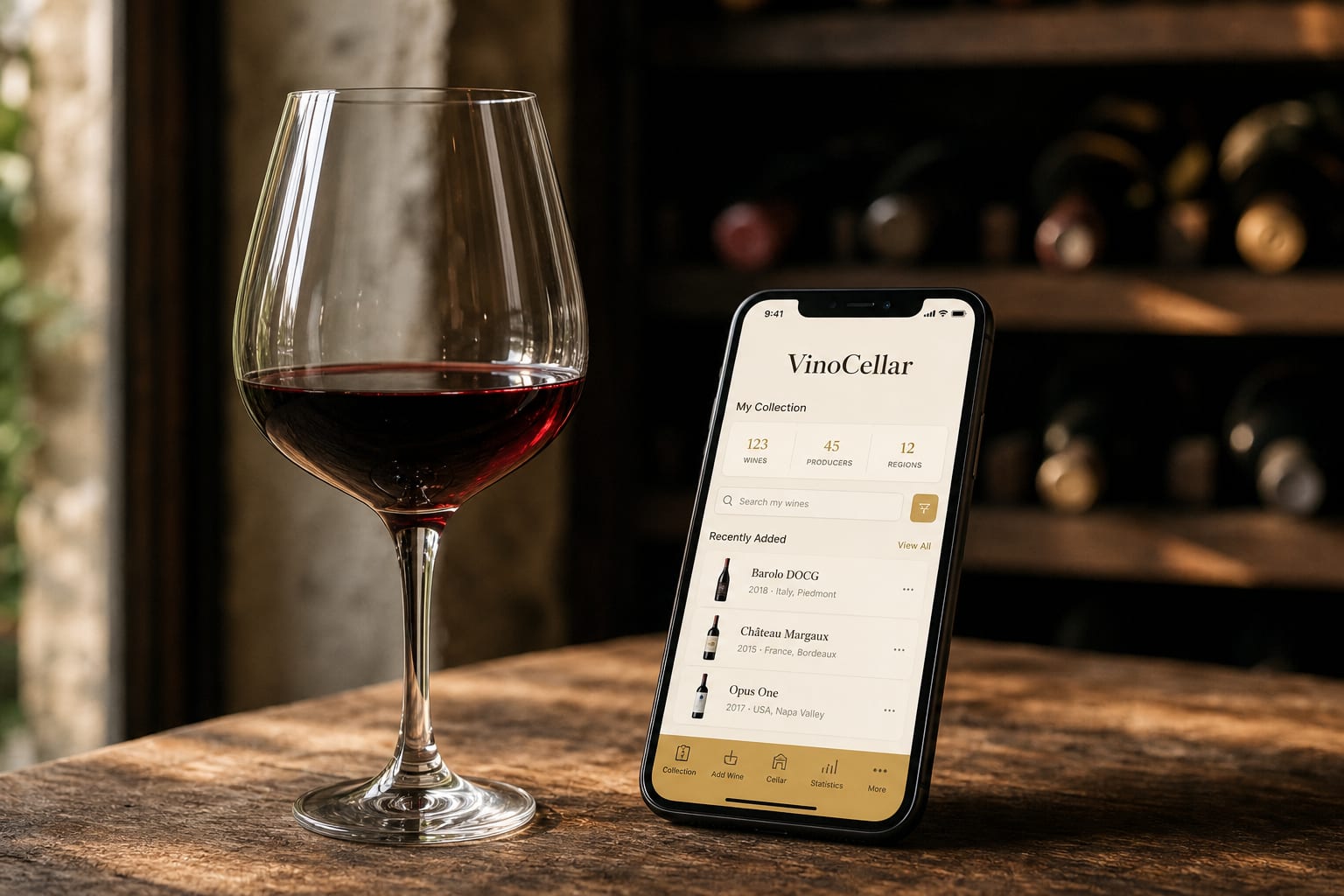
The chemistry of volatile compounds
Wine aromas are volatile molecules. In an ill-suited glass, these molecules disperse too quickly or do not express themselves at all. A glass with a tapered chimney traps these aromas, channeling them toward your olfactory receptors. Conversely, a glass that is too wide for a delicate wine will cause its floral subtlety to evaporate in favor of the alcohol.
2. Choosing the glass according to the varietal and structure
There is a golden rule in sommellerie: the glass must accompany the wine in its expression. For the age-worthy wines you keep preciously, the choice becomes a balancing act.
Red wines: from standard to Grand Cru
For a structured red wine, such as a Bordeaux or age-worthy wines from your cellar, favor a wide-bowled glass. The large contact surface allows the wine to open up, soften tannins through controlled oxygenation, and express the tertiary aromas accumulated during aging.
White wines: all about elegance
White wines, often more fragile, require glasses with more slender, tulip-shaped bowls. This helps preserve freshness and concentrate fruity or mineral notes without them being stifled by an excess of oxygen.
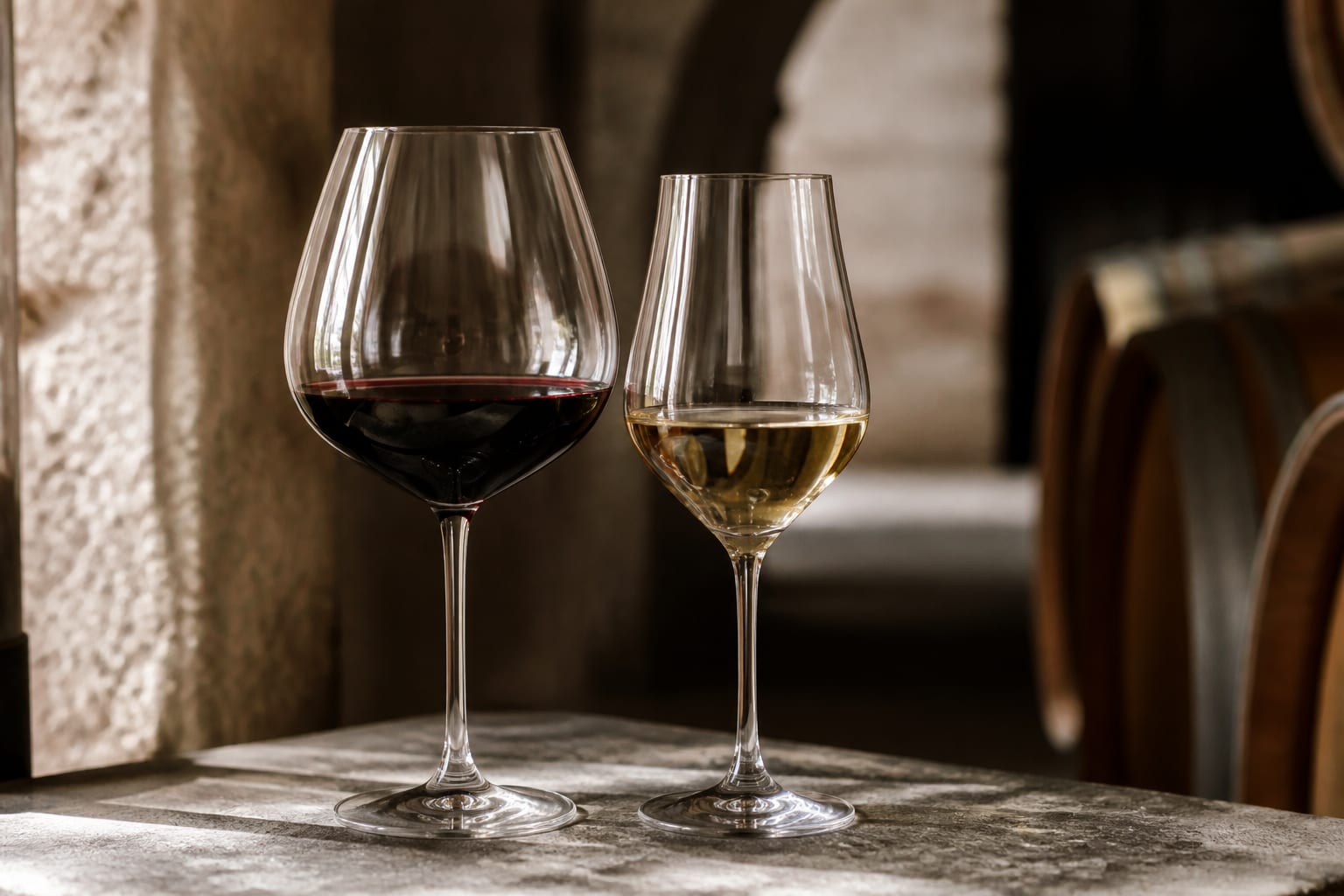
Grand Cru Glass
Ideal for complex and tannic reds.
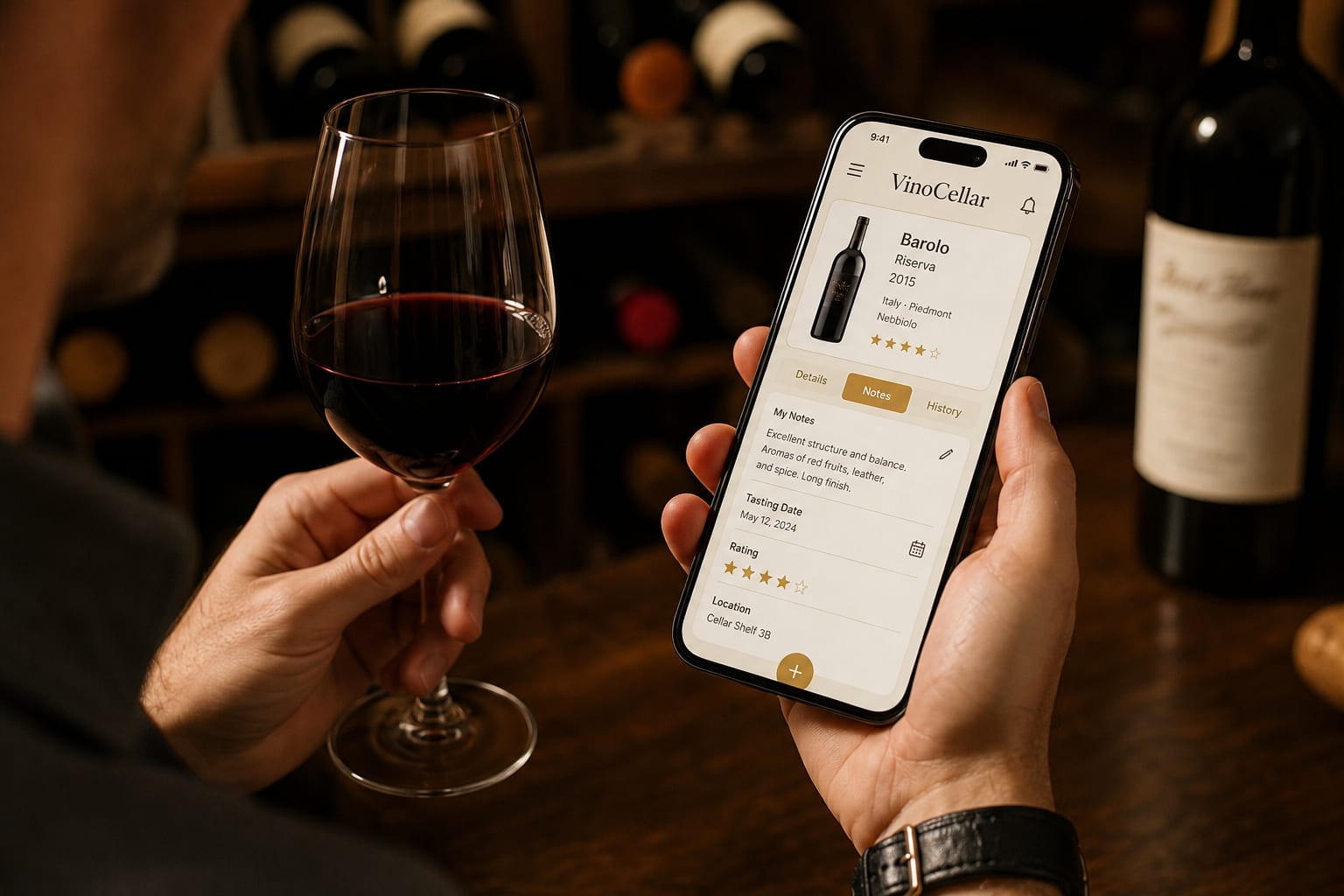
Tulip Glass
Perfect for magnifying whites and sparkling wines.
3. Frequent mistakes that spoil your tasting
Even with a great wine, certain beginner mistakes can ruin the experience. Here are the pitfalls to avoid to get the best out of your bottles.
- Improper washing: Detergent or dish soap residues alter aromas. Use a clear water rinse and microfiber polishing.
- Overfilling: Never pour beyond the widest part of the glass. The wine needs space to "breathe" above the liquid.
- Choice of material: Avoid thick glasses. They weigh down the tasting experience and do not allow you to appreciate the wine's color with precision.
4. Step-by-step method: preparing your VinoCellar session
For an optimal tasting, follow this simple method:
- Selection: Choose your bottle via the VinoCellar app to know its age and aging potential.
- Preparation: Bring the wine to the right temperature. Check if it requires decanting.
- Glass choice: Take the model corresponding to the grape variety (Pinot Noir, Cabernet, Chardonnay, etc.) from your glass cabinet.
- Service: Pour a small amount, swirl the wine to coat the sides, and observe the "tears".
- Analysis: Bring the glass to your nose, inhale, then taste. Use VinoCellar to note your impressions and record the glass used for future reference.
By cultivating this attention to detail, you are not just drinking wine; you are actively participating in its revelation. Every detail counts, and your VinoCellar is the starting point of this sensory journey.


Comments (0)