Autumn is a pivotal season for the world of wine. As evenings grow shorter and our tables are adorned with root vegetables, mushrooms, and slow-cooked meats, our palates crave more texture and depth. It is precisely at this time that "orange wine" finds its place in your VinoCellar.
1. What is orange wine? Debunking a myth
Orange wine, which oenologists prefer to call "skin-contact wine," is not made from oranges. It is a white wine vinified like a red wine. In traditional white winemaking, the grapes are pressed to extract only the juice, immediately separating the skins. For orange wine, the juice ferments in contact with the skins, seeds, and sometimes the stems for several days, weeks, or even months.
Skin-contact allows for the extraction of tannins, pigments, and aromatic compounds found in the grape skin. It is this process that gives the wine its golden, copper, or orange hue, as well as a unique tannic structure that clearly distinguishes it from a classic white.
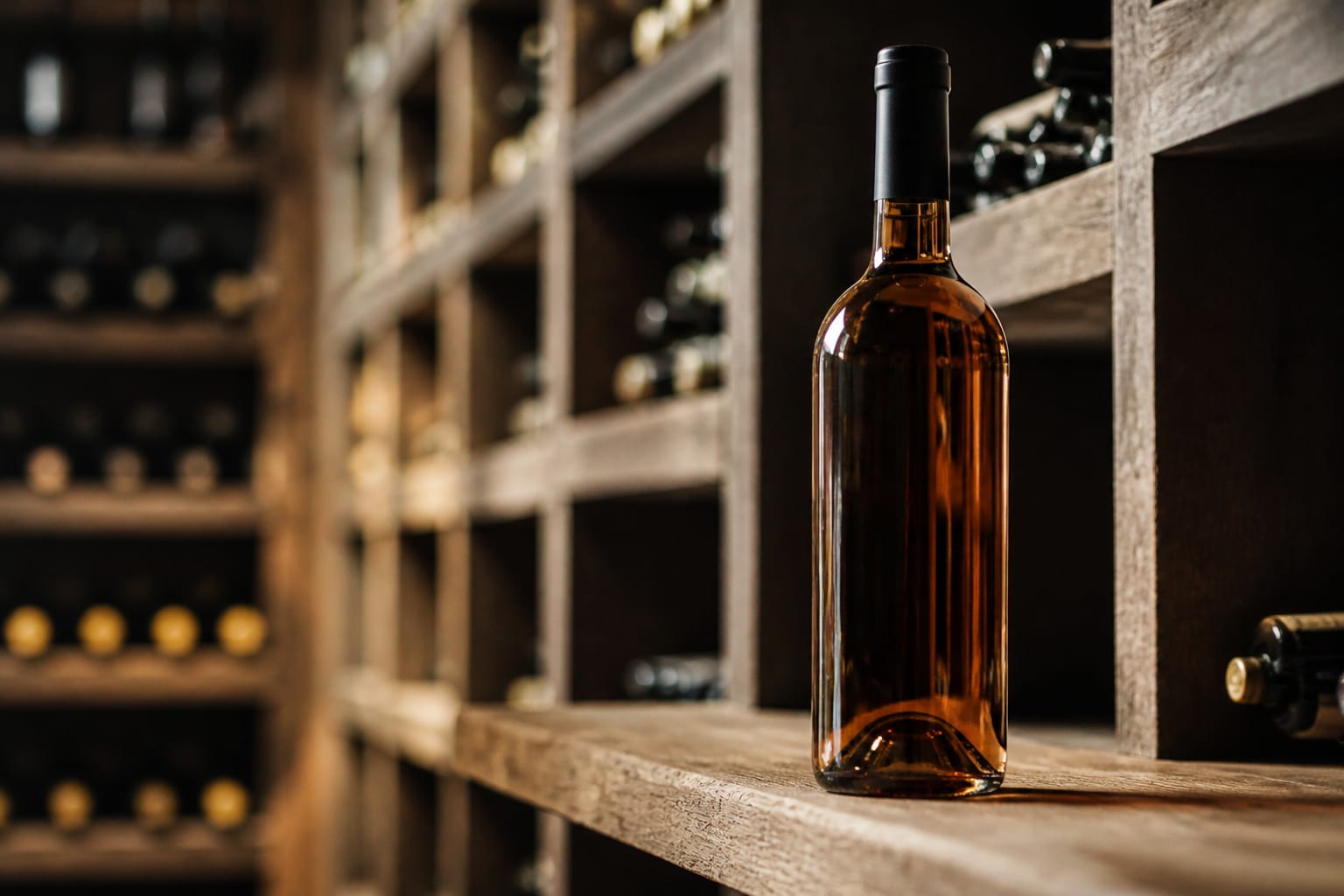
This ancestral process, originating in Georgia (the cradle of wine with the famous Qvevri), had fallen into oblivion before making a strong comeback in modern wine regions. It is not a passing trend, but a technical rediscovery that allows for the expression of terroir in a different way.
2. Aromatic profile and mouthfeel
Tasting an orange wine is an experience that often surprises novices. On the nose, you will find woody notes, dried fruits (apricot, candied orange peel), black tea, honey, or even dried flowers. On the palate, structure is key: you will feel a slight bitterness and supple tannins, which provide a backbone to the wine, where a classic white would be more fleeting.
Using your VinoCellar app is essential for noting your impressions. An orange wine can vary radically depending on the grape variety used (Gewurztraminer, Pinot Gris, Sauvignon Blanc, or indigenous Georgian varieties) and the duration of maceration. ::

The classic mistake is serving these wines too cold. At low temperatures, the tannins tighten and the aromatic profile closes up. It is recommended to taste them around 12°C to 14°C, like a light red wine, to let their complexity fully express itself in the glass.
3. Food pairings: The star of your autumn table
The versatility of orange wine is its greatest asset. In autumn, it excels with dishes that stump standard white wines. Spicy curries, roasted squash dishes, aged pressed cheeses (Comté, aged Gouda), and even fine charcuterie are ideal companions.
- Forgotten vegetables: Parsnip purée or carrots roasted with thyme harmonize perfectly with the texture of orange wine.
- Asian cuisine: The oxidative and tannic nature of orange wine pairs wonderfully with soy sauce, ginger, and chili, where a classic white wine might fall flat.
- Light game or poultry: For a guinea fowl dish with mushrooms, orange wine adds an aromatic complexity that bridges the forest-floor flavors.
4. How to choose and store your orange wines
Selecting an orange wine requires curiosity. Look for estates that practice minimal intervention. Reading the label is important: find out about the maceration time. A short maceration (a few days) will result in an airy wine, while a long maceration (several months) will produce a powerful, almost spicy nectar.
In your VinoCellar, ensure you reserve a stable space for them. Although these wines are often more "robust" thanks to the tannins, they remain living products. Keep a digital log of your bottles: note the vintage and the estimated ideal tasting date. The magic of these wines often lies in their ability to evolve over a few years, developing tertiary notes of undergrowth and nuts reminiscent of certain great oxidative wines.
Common mistakes to avoid
- Serving too cold: As mentioned, cold is the enemy of the aromatic complexity of orange wines.
- Neglected aeration: Do not hesitate to open your bottle an hour before or use a carafe to let the wine "breathe." The maceration needs oxygen to release its full aromatic spectrum.
- Incorrect storage temperature: A cellar that is too warm will prematurely age these wines, which are often not protected by massive doses of sulfites.
In summary, autumn is the perfect time to go off the beaten path. Whether you are a fan of gastronomic white wines or curious about new experiences, orange wine is a fascinating bridge. It invites slowness, thoughtful tasting, and bold pairings that will transform your autumn dinners into genuine moments of discovery. Don't forget to scan your new acquisitions with your VinoCellar app to track their evolution over the months.


Comments (0)