1. The Tragic Fate of the 1787 Château Margaux
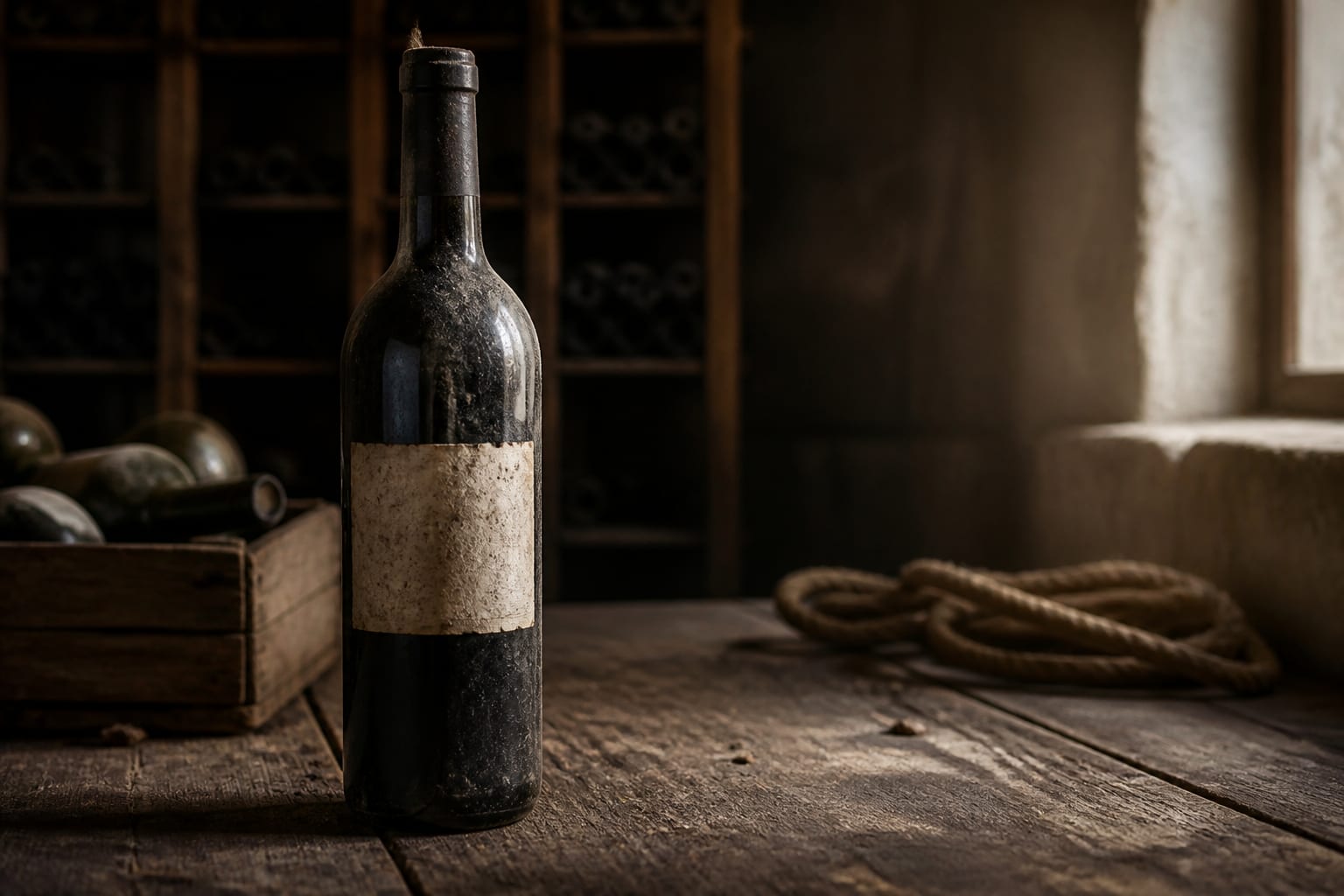
In the world of wine, rarity often drives price, but sometimes, it creates a myth. The most fascinating, and arguably the most painful for fine wine enthusiasts, remains the story of the 1787 Château Margaux that once belonged to Thomas Jefferson. As the U.S. Ambassador to France, Jefferson was an aesthete who sought the perfect expression of nature in Bordeaux terroirs. He had his initials, "Th. J.", engraved on a selection of exceptional bottles.
These bottles, true witnesses to a pivotal era between royalty and revolution, crossed the centuries like relics. But in 1989, in New York, fate proved cruel. William Sokolin, an eccentric merchant, brought this gem—valued at $500,000—to a gala dinner. A simple, clumsy gesture against the edge of a table sealed the drink's fate: the bottle shattered instantly, letting the wine evaporate into the carpet, with no guest ever able to inhale its perfume.
2. Sunken Treasures: The Silence of the Depths
While Jefferson's wine perished by accident, other bottles have chosen the depths of the ocean as their final resting place. The story of the Swedish ship Jönköping is a classic case. In 1916, it sank in the Baltic Sea, carrying with it thousands of bottles of 1907 Heidsieck & Co Monopole "Goût Américain" Champagne. Intended for the Tsar's table, this wine spent nearly a century in total darkness, at a constant temperature and under preserving pressure.
The result? Almost perfect preservation. When these bottles were recovered, they became priceless collector's items. However, not all were found. Some still lie in cold currents, forming an inaccessible underwater cellar: a precious legacy sealed by time, now forever out of reach.
3. Why Do Lost Wines Fascinate Us?
The psychology of the collector is complex. The loss of a rare bottle does not just mean the loss of a liquid, but the disappearance of a window opened to the past. When a bottle breaks or a ship sinks, we lose the physical link to that vintage. The quest for these wines has become the Holy Grail for enthusiasts.
Cellar Management
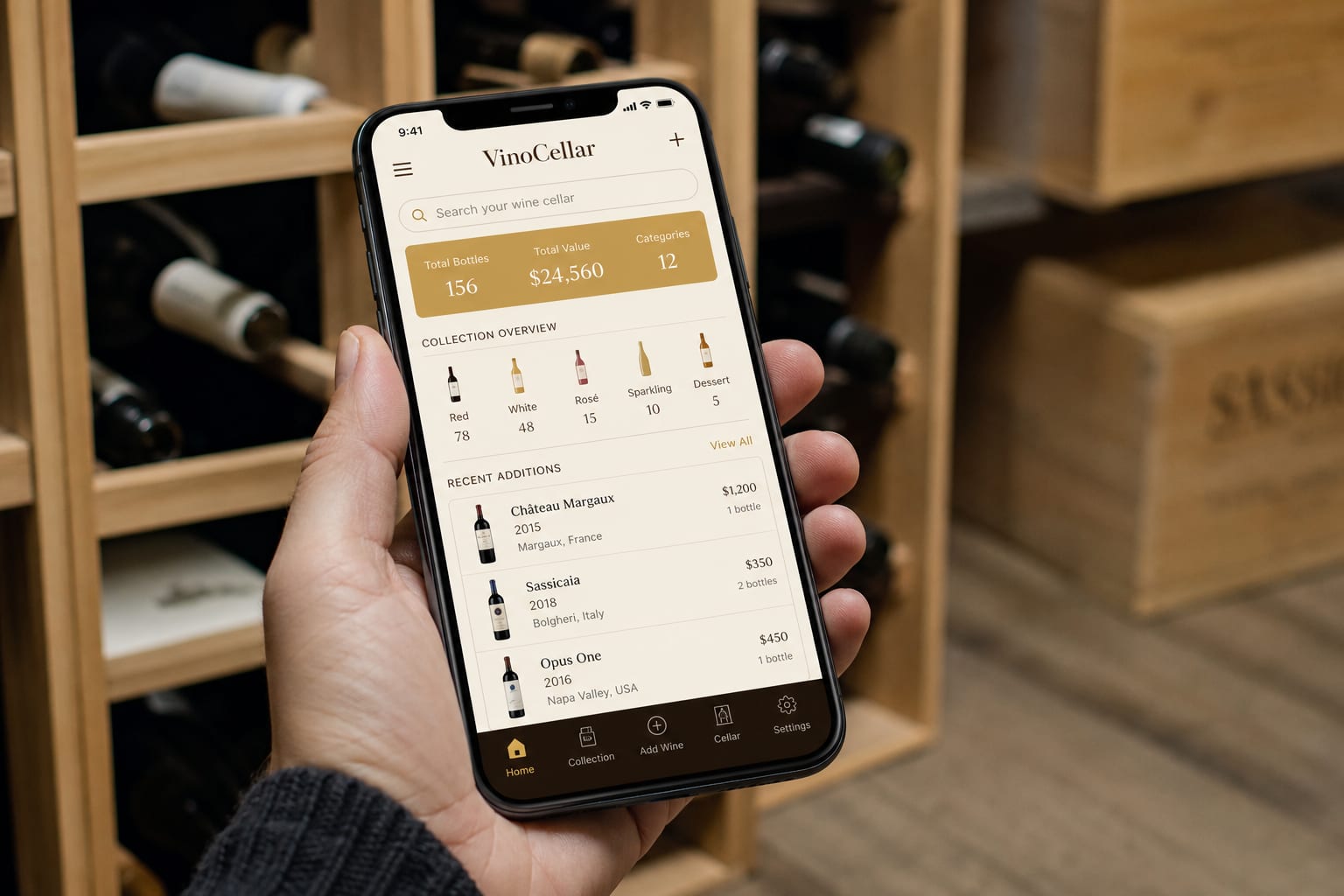
Organize your own treasures with precision and avoid accidental losses with VinoCellar.
The Art of Aging
Understand the life cycle of each grape variety to enjoy your wines at their peak.
4. Preventing Oblivion: The Rigor of a Curator
If we cannot turn back time to save the 1787 Margaux, we can protect our own cellars. Modern wine management relies on traceability. A common mistake is allowing bottles to age without rigorous monitoring. Many collectors discover too late that bottles forgotten at the back of a bin have had their corks fail or their levels drop alarmingly.
The step-by-step method to protect your cellar:
- Permanent Inventory: Use an app like VinoCellar to record every addition and consumption.
- Visual Inspection: Check the condition of labels and the liquid level in the neck every quarter.
- Ambiance: Maintain 70% humidity and a stable temperature, away from vibrations.
Do not let your finest bottles go astray or deteriorate in the shadows of your own cellar. Proactive management turns every tasting into a moment of sharing rather than an uncertain lottery. The VinoCellar tool is designed so that your wines, even the rarest ones, are always located and ready to be savored.
:::
5. Conclusion: The Beauty of the Ephemeral
Ultimately, wine is a living substance and, like all living things, it is destined to disappear—either in the glass or by accident. The legend of the 1787 Château Margaux reminds us that every bottle deserves special attention. Every preserved bottle is a story waiting to be told. Your collection is very real: take care of it so that every memory remains etched and ready to be shared.


Comments (0)