The wine world is undergoing a revolution. While labels once simply displayed the appellation and the estate, they are now adorned with AB, Demeter logos, or artisanal mentions. For the seasoned enthusiast using VinoCellar to manage their cellar, understanding these distinctions is not just a matter of ethics; it's a question of aromatic profile.
1. Understanding Organic Viticulture (Bio)
Organic wine is a fundamental step. The European certification (the Euro-leaf logo) guarantees that grapes are grown without synthetic chemicals (pesticides, herbicides, chemical fertilizers). However, it is crucial to note that the specifications do not only concern the vineyard. Since 2012, winemaking rules have been integrated: limitation of sulfites and prohibition of certain additives.
Key points to remember
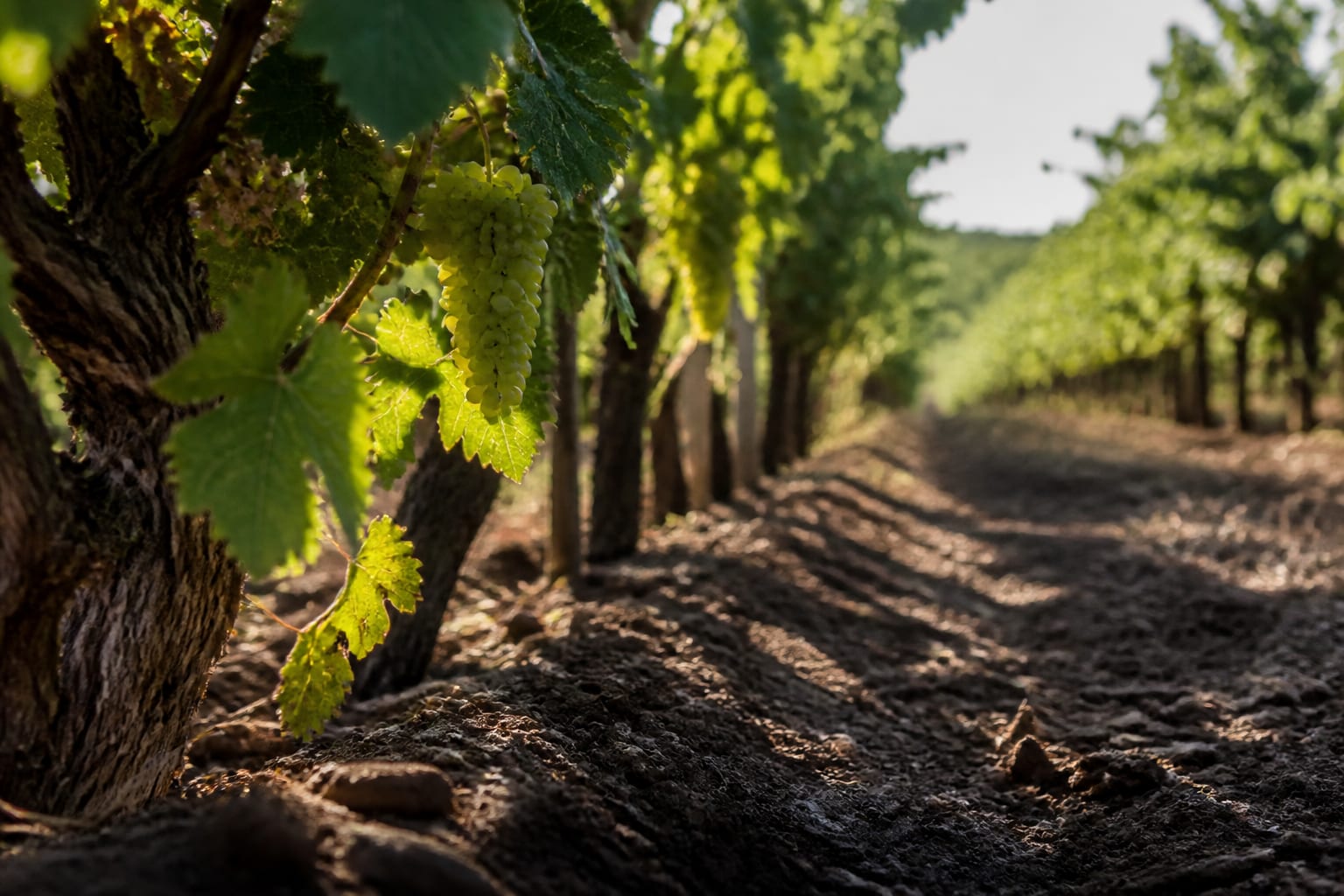
Organic wine is above all about respect for the soil and the environment. It is the foundation of modern, responsible viticulture. For your cellar, these wines often offer a purer expression of terroir because the vine, less reliant on fertilizers, draws its nutrients from deep within the soil.
Organic viticulture fosters biodiversity within the vine rows, allowing natural ecosystems to regulate diseases more autonomously.
2. Biodynamics: Beyond Organic
While organic farming stops at the physical management of the vine, biodynamics adds a holistic dimension. Inspired by Rudolf Steiner, this approach considers the vineyard as a living organism. Winemakers use preparations based on plants and minerals (such as horn manure) while following lunar and planetary cycles.
Why aging wine lovers love them
Biodynamic wines are often perceived as having more vitality. In the cellar, they sometimes demonstrate superior aging potential thanks to a more pronounced natural balance. These are wines that "move" quite a bit upon opening: do not hesitate to use your VinoCellar application to note their tasting phase and their evolution after opening.
3. Natural Wine: The Raw Expression
"Natural" wine (or nature method wine) is the most radical of the three. There is no single legal definition, but the consensus is clear: nothing is added, nothing is removed. The wine is made from organic grapes, fermented with indigenous yeasts, without oenological inputs, and with a very low, or even zero, dose of sulfites.
The challenge of tasting
Natural wine is alive. It may show slight cloudiness, a hint of reduction upon opening, or oxidative notes. It is a style that requires an open mind. This is not a flaw; it is the result of minimal intervention winemaking. If you are storing natural wines, ensure you maintain a very stable temperature in your cellar.

Organic Selection
Structured and readable wines, perfect for aging.
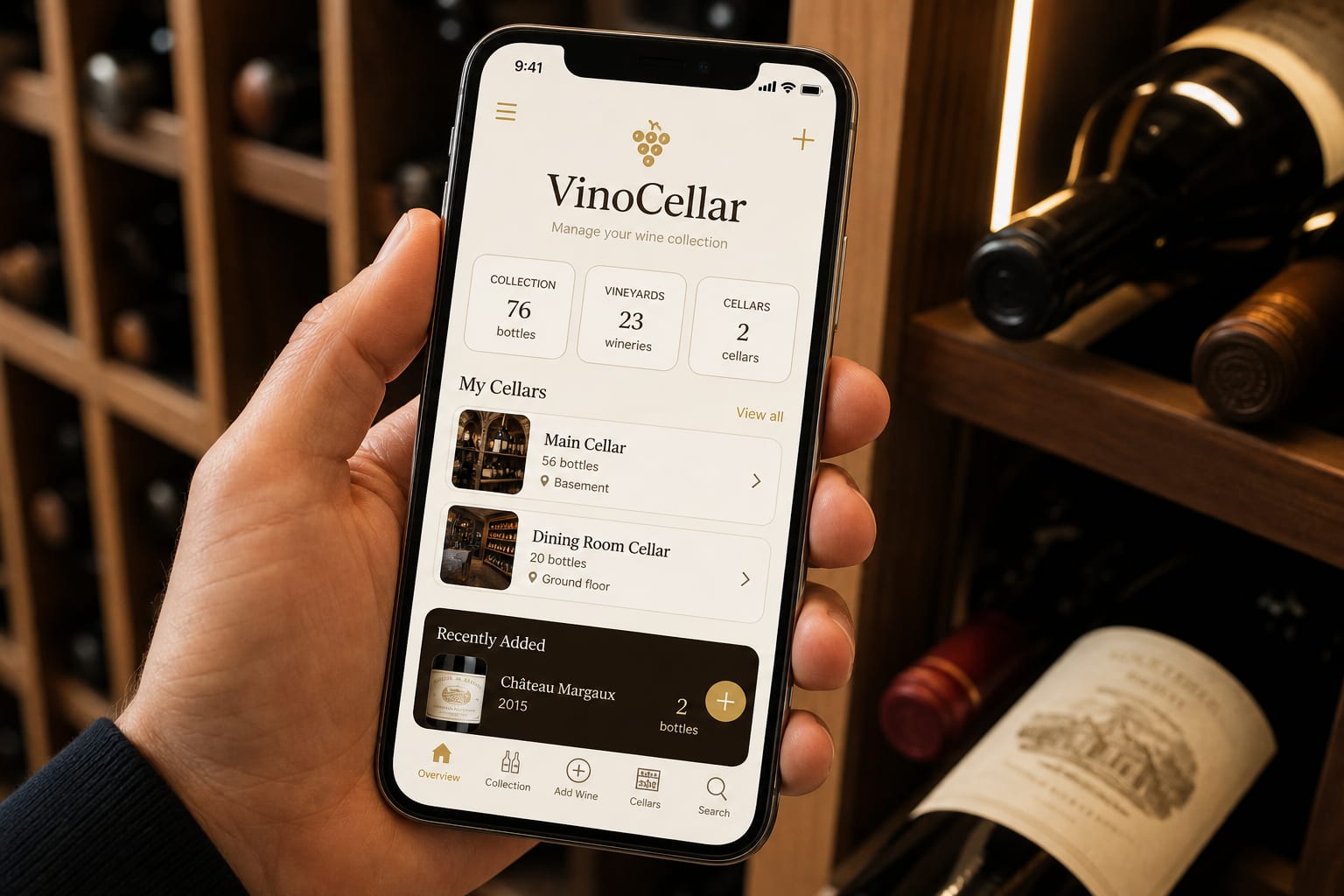
VinoCellar App
Track the evolution of your wines in real-time with VinoCellar.
4. Comparative table for your cellar management
To properly organize your cellar, it is useful to classify your bottles by their philosophy of production:
- Organic: Ideal for regular consumption; certified and reliable.
- Biodynamic: Wines with character and complexity, excellent for aging.
- Natural: Wines to be enjoyed quickly, often associated with conviviality and immediacy.
5. Common mistakes and tasting tips
The major mistake is to imagine that "natural" is synonymous with "bad taste." Of course, without sulfites, wine is more vulnerable to thermal variations.
The step-by-step method for tasting
- Aeration: A natural wine often requires decanting to release aromas that may have remained "locked away."
- Temperature: Do not serve your biodynamic wines too cold; they would lose their aromatic complexity.
- Tracking: Use VinoCellar to note optimal tasting dates. A natural wine does not keep for ten years on average, unlike a well-structured organic Grand Cru.
In summary, the choice between these three types depends on your palate. Organic offers security, biodynamics offers depth, and natural offers raw emotion. The best cellar is one that contains a diversity of these three worlds.


Comments (0)