1. Why October is the Ideal Month to Explore New Regions
Autumn, and October in particular, marks a fascinating transition in the wine world. The harvest is finished, the first mists cover the hillsides, and the wines from the new vintage begin to stabilize. For the wine lover equipped with a VinoCellar solution, this is the perfect time to reassess stocks and turn toward less publicized regions that nevertheless offer remarkable typicity.
Why limit yourself to the great wines of Bordeaux or Burgundy when the world is full of underrated terroirs? In October, the demand for these great classics slows down, giving way to a search for authenticity. Exploring "off-radar" vineyards not only allows for substantial savings but also educates the palate to unique grape varieties and winemaking methods.
2. The Jura: Much More Than Just a Niche Wine
Often overshadowed by its illustrious neighbors, the Jura is a land of contrast and precision. In October, Jura yellow wines and Savagnins, with their oxidative notes and nutty aromas, pair divinely with seasonal mushrooms and cheese-based dishes.
The Jura vineyard, with its steep slopes and limestone soils, produces wines of great mineral tension. It is a region where respect for nature is central, led by winemakers who do not hesitate to challenge conventions.
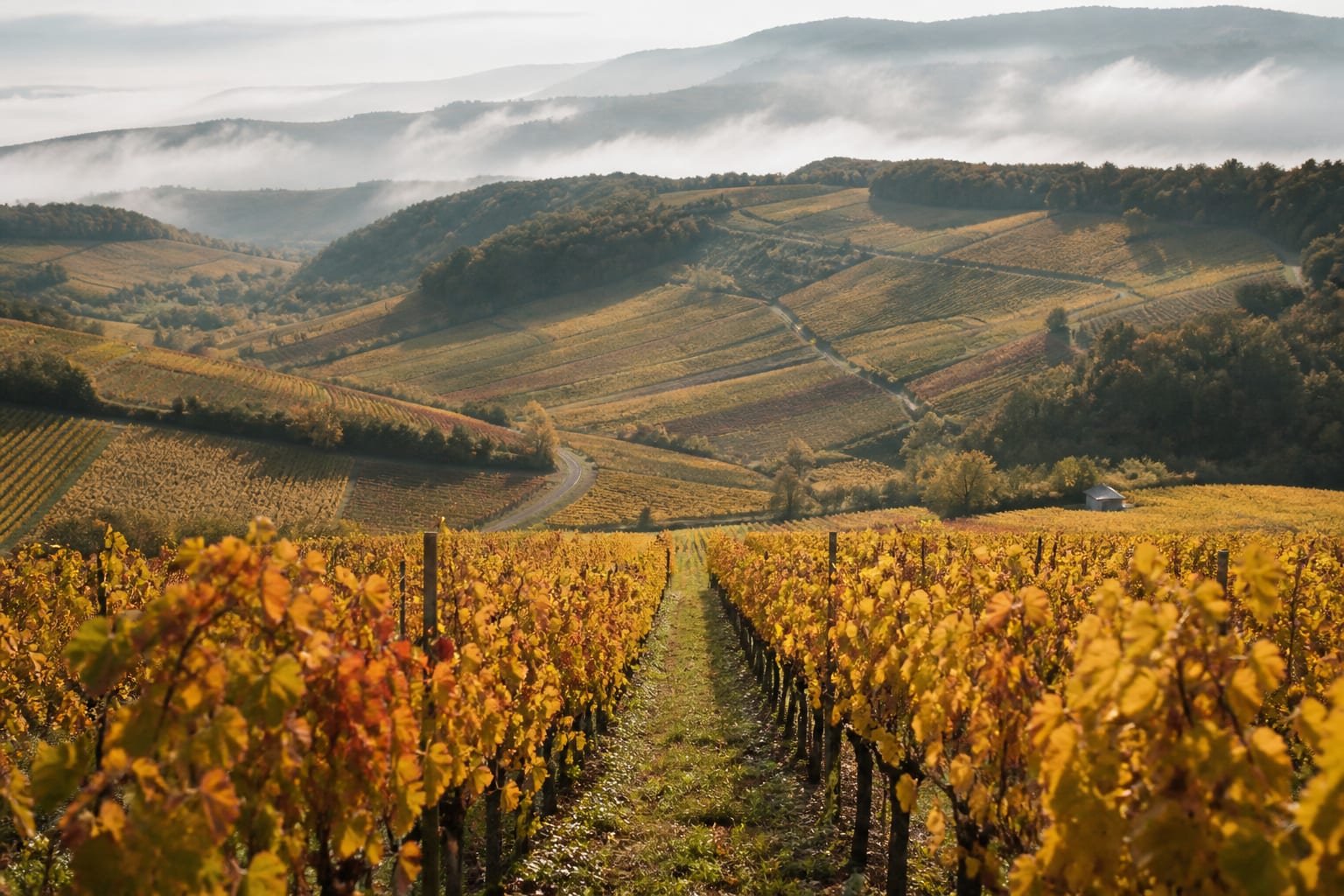
The Jura offers impressive aging potential for whites. With VinoCellar, you can easily track the evolution of your Savagnin or "ouillé" (topped-up) Chardonnay bottles, which gain complexity after a few years in the cellar. The key here is patience: do not open them too young to let the terroir express itself fully.
3. Roussillon: The Sleeping Giant of the South
Too often confused with Languedoc, Roussillon has a unique identity, forged by powerful northern winds and its proximity to the Mediterranean. In October, the rich and sunny red wines of Roussillon are the perfect companions for hearty autumn stews.
The diversity of soils—schists, granite, and rolled pebbles—allows for a variety of styles, from structured red wines based on Grenache and Carignan to dry, incisive whites. The major advantage? You can acquire bottles of quality equivalent to prestigious wines for a fraction of the price. It is the intelligent investment par excellence for an enthusiast who wants to expand their cellar without compromising their budget.
4. High-Altitude Viticulture in the Abruzzo
Let's leave French borders to head towards Central Italy. The Abruzzo region, and particularly the Montepulciano d'Abruzzo grape variety, are often undervalued. Yet, in high-altitude areas, the wines achieve surprising finesse and freshness.
Jura
Terroir of character with nutty aromas.
Roussillon
Solar power at a controlled price.
Abruzzo
Italian elegance from the mountains.
- Common mistake #1: Neglecting serving temperature. These wines, rich in tannins, should be served at 16-18°C so as not to crush their aromatic complexity.
- Common mistake #2: Not letting them breathe. A high-altitude wine needs oxygen to open up. Use a decanter or open the bottle two hours in advance.
5. Step-by-Step Method to Enrich Your Cellar with These Gems
To integrate these regions into your VinoCellar collection, follow this rigorous method:
- List your gaps: Identify the wine styles missing from your cellar (e.g., an oxidative white, an age-worthy Mediterranean red, a supple Italian).
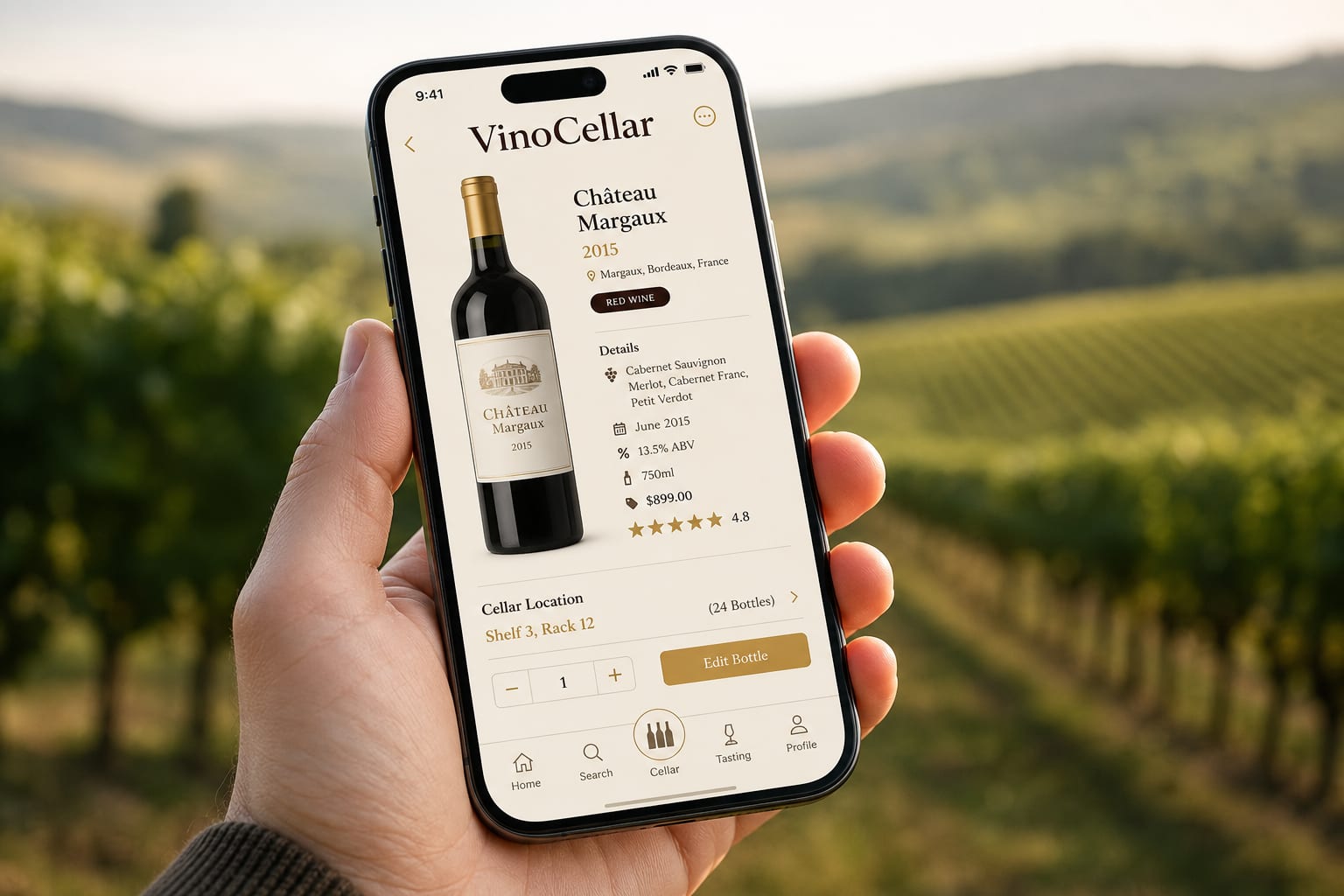
- Targeted searches: Use the VinoCellar app to filter estates by region and community rating. Do not look for the big names, but for "rising star" estates.
- Discovery purchase: Buy three bottles of each reference. One for immediate tasting in October, one to test the aging potential in 2 years, and a third for a special occasion.
- Traceability: Note your tasting impressions in the app to enrich your personal history.
Using mobile technology allows for precise tracking of the aging of these wines. By photographing your labels with VinoCellar, you keep a living memory of every terroir explored, transforming your cellar into a true oenological travel diary.


Comments (0)